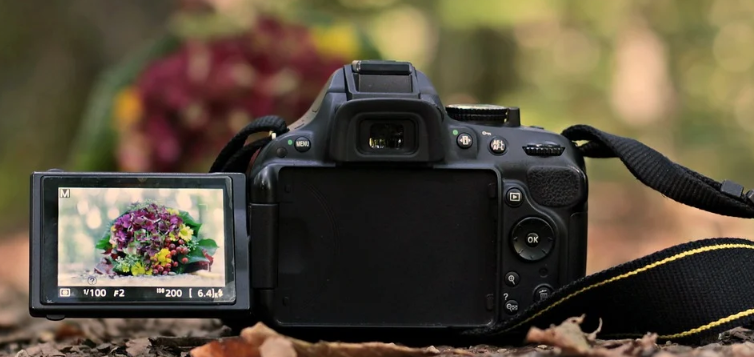
Many people now have access to a digital camera, possibly as part of their smartphone or standalone device. Below, I examine each benefit in detail and you can find now the digital camera in any store or online shop.
Various Functions
Film photography can be an expensive business, as you constantly have to buy new rolls of film and pay for development. Memory cards can hold tens of thousands of images and can be quickly replaced if you need more space. Besides, images could often be moved to a dedicated computer hard drive to make space. You can take as many pictures as you need, instead of losing them because the list of pictures has been swallowed or because you are filming time rolls. Difficult situations no longer lead to bad images, as the camera includes both manual and automatic compensation strategies. For example, night shots can be recovered with almost the same specific standard as day shots (perhaps the only drawback is that some people today are overwhelmed by the wide range of features offered by many camera models).
Easy to Share

Digital cameras are usually lighter and more compact than film cameras. Thanks to technological improvements, they are also equipped with smartphones that allow virtually universal access to digital cameras. Conventional photos may be modified later in the film mounting range, and again the range is limited. Digital photos are easy to edit at a certain stage, and you’ll find several editing options, many of them revolutionary. Standard modifications, such as contrast enhancement, lighting, and red-eye removal, can often be done with your smartphone or camera. Still, many other effects can be achieved using a package of photo applications.
It is necessary to develop film photographs, a delicate composition process often carried out by industrial companies, or using a specific “darkroom.” The entire roll of film has been developed almost continuously, regardless of image quality. Digital images can be published internally, requiring only a suitable printer and the type of paper needed (most men and women use special photographic paper available in stores). Home users can select individual images to publish, experiment with different print sizes and shapes, and perform standard editing under most conditions. This often means that amateur photographers can work simply by pointing and clicking without working or correcting settings.